

Buying a used transport van is a smart move for many small business owners, delivery professionals, or anyone in need of a cost-effective way to move goods. Whether you’re transporting furniture, managing deliveries, or running a local moving service, choosing the right van is essential. For those operating in busy London areas, having the right vehicle can mean the difference between smooth daily operations and constant mechanical headaches. If you’re considering setting up a man and van in Ealing, choosing the right van from the start can help set the tone for efficiency, reliability, and growth. Here are some important factors to consider when purchasing a used transport van:
Check the Vehicle’s History and Documentation
Before handing over any cash, it’s crucial to review the van’s paperwork. Ask for the logbook (V5C), MOT certificates, service history, and receipts for any repairs. These documents offer insights into how well the van has been maintained, how many previous owners it has had, and whether there are any recurring issues. Avoid vehicles with inconsistent histories or major repairs that seem suspiciously frequent. Online tools like the DVLA’s vehicle checker can also reveal whether the van is taxed, insured, or has any outstanding recalls. The last thing you want is to end up with a vehicle that carries hidden legal problems.
Inspect the Bodywork and Structure
Used vans often show signs of wear and tear, but it’s important to distinguish between cosmetic damage and structural issues. Walk around the vehicle to look for rust, dents, and signs of panel repairs. Pay attention to wheel arches, door sills, and the underside — areas where rust often creeps in unnoticed. If the van appears to have been in an accident or shows uneven gaps between panels, ask more questions. Damaged bodywork may not just be cosmetic — it could affect the van’s alignment and safety.

Evaluate the Engine and Transmission
Start the engine and listen carefully. A good van should start without hesitation and idle steadily. Loud knocking sounds, excessive smoke from the exhaust, or oil leaks are all red flags. Take the van for a test drive. Make sure the gears shift smoothly and that the clutch isn’t slipping. Transmission problems are usually costly to fix and are often difficult to detect at first glance. Be especially cautious if the van has high mileage but no proof of a recent gearbox or clutch replacement.
Assess Load Capacity and Interior Condition
Think about what you need the van for. Are you transporting furniture, heavy equipment, or smaller parcels? The size and capacity of the van must match your needs, not just in terms of volume, but also weight. Inspect the loading area. Is the floor solid? Are there any signs of heavy damage from previous loads? While cosmetic scratches are acceptable, deep gouges, broken linings, or unstable flooring may indicate that the van has been overloaded or mistreated. Pay attention to the state of the loading doors and locks as well — these should be secure and easy to operate.
Understand Running Costs and Insurance Implications
Buying the van is only part of the cost. Fuel consumption, road tax, insurance, and regular maintenance should all factor into your decision. Older vans may be cheaper upfront, but could be expensive to keep running if they lack fuel efficiency or fall into higher emissions categories. Research insurance categories and see if the van model you’re considering is prone to higher premiums. Some makes are considered easier to steal or more expensive to repair, which can push up your overall costs significantly.

Final Thoughts
Purchasing a used transport van can be a worthwhile investment, especially for those running delivery or removal services in busy urban areas like London. By carefully reviewing the van’s history, assessing its physical condition, testing its mechanical performance, and evaluating your operational needs, you’ll be better equipped to make a smart choice. Take your time, ask the right questions, and always test-drive before committing. A quality used van can deliver years of dependable service when chosen wisely. While the process can feel overwhelming, these five tips can help you approach the decision with clarity. Whether you’re launching a small business or upgrading your current vehicle, making a thoughtful choice now can save you money and stress later.…

 The first thing you should do when considering a luxury car is to check the residual rating. The residual rating is the percentage of the car’s original value that you can expect to get back when you sell it. A higher residual rating means your vehicle will retain its value better over time. This is important because it means you will not have to spend as much money on maintenance and repairs over the car’s life.
 Finally, it would help if you thought about repair and maintenance costs. Luxury cars are often more expensive to maintain than other types of vehicles. This is because they require particular parts and services. Be sure to budget for these costs before you purchase a
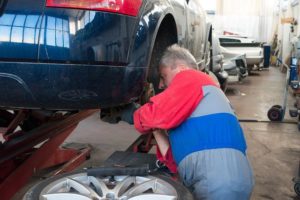 One of the most important things you can do to
  Last but not least, even if you can’t feel tired, your car needs a break after driving for hours. It’s essential to take a break every few hours to let your car cool down. Otherwise, you run the risk of damaging your vehicle. So, if you’re planning on going on a long road trip, make sure you take some breaks along the way. Moreover, if you’re going to take a mountainy road, you need to stop your car on a level surface regularly.

 It is not a good idea to pack your truck up to the doors or load it up to a few pounds of its capacity each time. This will cause you and your employees at work, along with the truck’s components and systems, to wear out. Then, it will begin to fail much sooner. Allow for growth in both capacity and cargo capacity. If you put in many shelves, racks, and the like, you can use up the entire truck load very quickly.