
Upgrading your wheels and tires is one of the most popular ways to transform both the look and performance of a car. Whether it’s for better handling, improved style, or fitting larger brakes, the right setup can make driving far more enjoyable. However, there are plenty of mistakes drivers make along the way. For example, some overlook spacing and clearance issues, which can later be solved with options like M5 wheel spacers. To help you avoid costly errors, let’s explore five of the most common mistakes made during wheel and tire upgrades.
Choosing the Wrong Wheel Size
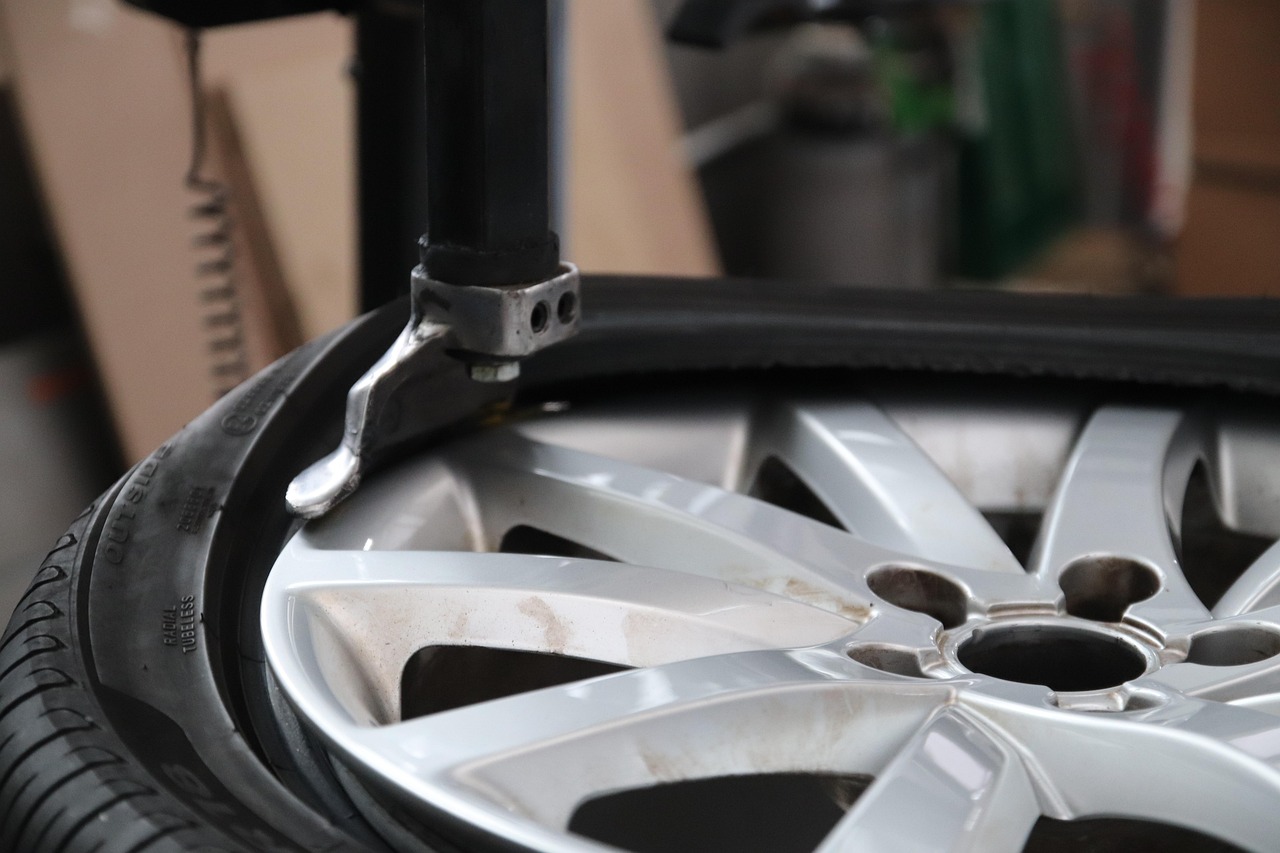 One of the most frequent missteps is selecting wheels that are too large or too small for the vehicle. Oversized wheels may look appealing but can cause problems such as poor acceleration, inaccurate speedometer readings, and a harsher ride. On the other hand, wheels that are too small can limit brake clearance and reduce overall stability. Always verify the recommended size range for your car before making a purchase, and remember that bigger isn’t always better.
Ignoring Bolt Pattern and Offset
Every car has a specific bolt pattern and offset measurement. Failing to match these details can lead to vibration issues, uneven wear, or wheels that simply won’t fit. Offset, in particular, is critical because it determines how far the wheel sits about the suspension and fenders. Too much positive or negative offset can cause rubbing or stress on steering components. Taking the time to double-check both bolt pattern and offset prevents expensive mistakes and keeps your car safe on the road.
Overlooking Tire Load Ratings and Speed Ratings
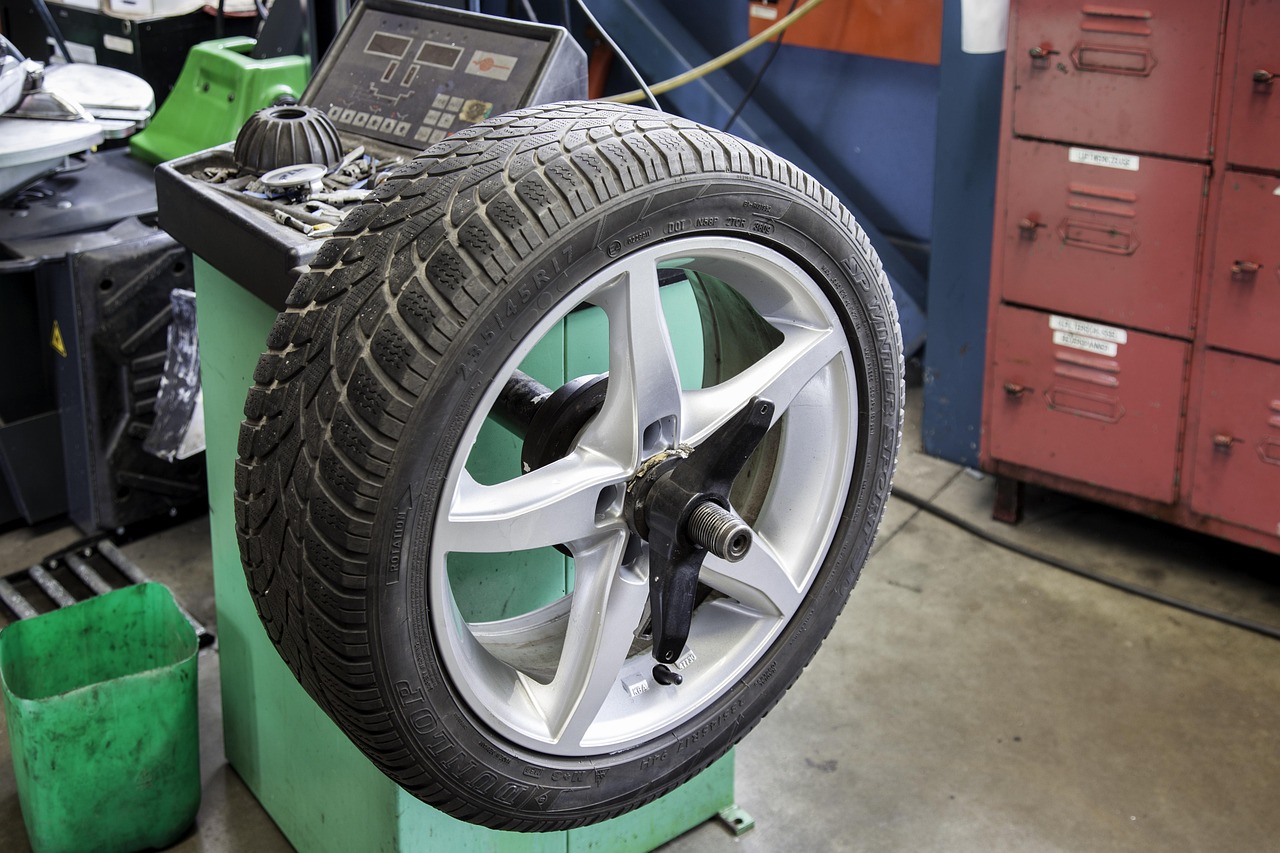
Tires are more than just rubber—they carry the weight of the car and influence handling under different conditions. Many drivers select tires based on looks alone without considering load or speed ratings. This can compromise safety, especially for vehicles carrying heavy loads. A tire with the wrong rating may overheat, wear prematurely, or even fail under stress. Always select tires that meet or exceed specifications set by your car’s manufacturer.
Forgetting About Brake Clearance
A common problem occurs when new wheels are installed without considering the space required for brake components. Performance cars often have larger brake calipers, which may not fit inside every wheel design. Installing wheels without checking this detail can result in rubbing, squeaking, or damage to both the wheel and brakes. Checking brake clearance before buying wheels is a simple step that avoids future headaches. In cases where clearance is tight, using proper wheel spacers can help, but this decision should always be made with care.
Focusing Only on Appearance
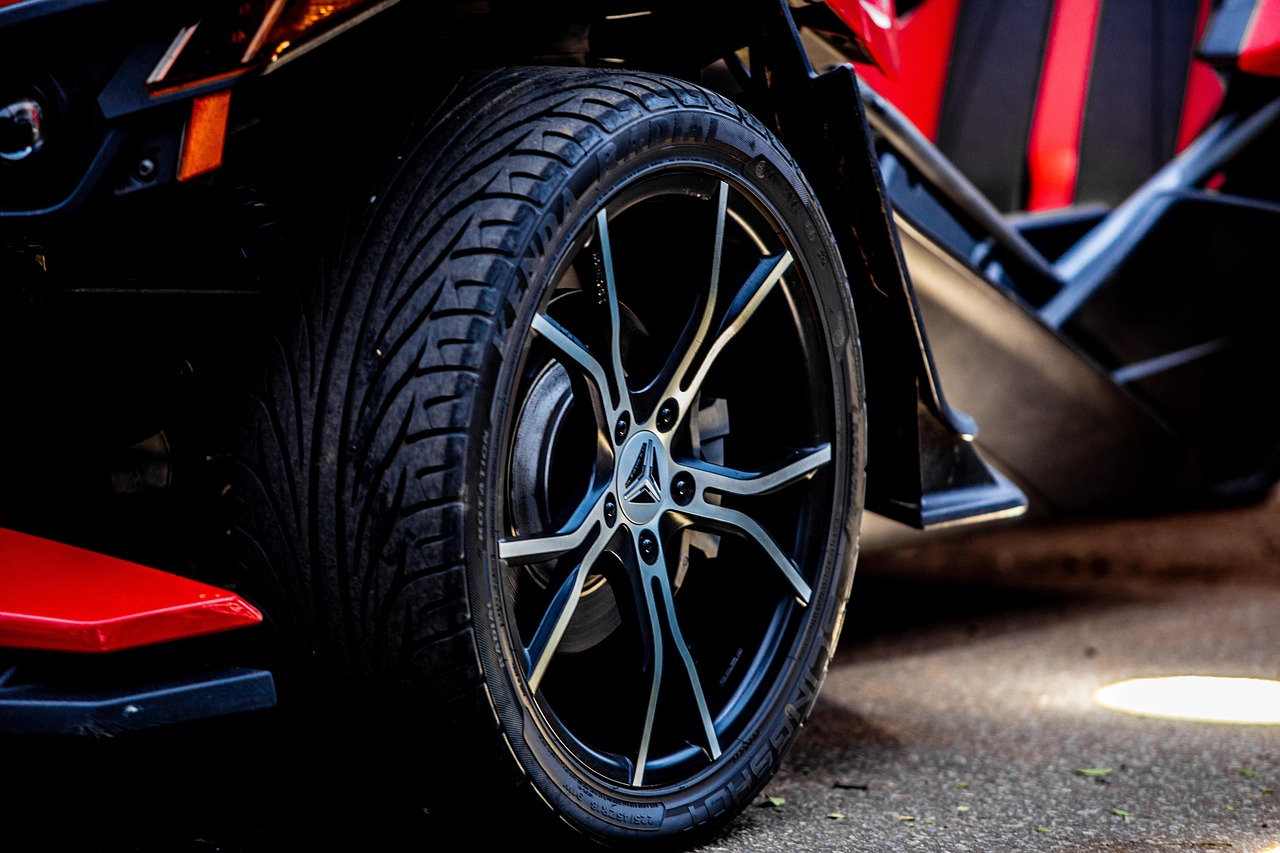 While wheels and tires greatly influence how a car looks, focusing solely on style can lead to poor driving performance. A flashy wheel design may come with added weight, reducing acceleration and fuel efficiency. Similarly, low-profile tires may improve looks but can make everyday driving uncomfortable due to reduced cushioning. The best approach is balancing style with function—choosing wheels and tires that not only improve your car’s stance but also enhance performance and comfort.
Upgrading wheels and tires can be one of the most rewarding modifications for any car, but only if done thoughtfully. Common mistakes like selecting the wrong size, ignoring offset, overlooking tire ratings, neglecting brake clearance, or focusing only on looks can lead to safety issues, extra expenses, and poor driving experiences. By avoiding these pitfalls, drivers can enjoy an upgrade that improves both performance and appearance while keeping the vehicle safe and reliable on the road.